
Mold behind kitchen cabinets, on the back of drywall after a leak, in a closet next to a neighbor's unit, or under a house after a flood. We remove it safely, fix the moisture that caused it, and verify the result with an independent lab. We have been doing this work across Los Angeles for 15 years, and we answer 24/7.
Free on-site inspection · CSLB License #1083206 · IICRC Certified Firm #65893608
Igor, the owner, speaks Russian, Ukrainian and Hebrew.
Removal or remediation?
People search for both, and they mean the same job. "Mold removal" usually means getting rid of the mold you can see. "Remediation" is the full process: contain the area, remove what can't be cleaned, clean what can, fix the moisture source, and confirm the air is back to normal. Removing visible mold without fixing the moisture means it comes back. We do the full process every time.
How we do it
1. Find the moisture
Mold needs water. We use moisture meters and a thermal camera to find where the water is coming from and how far it spread, so we know what to open and what to leave alone.
2. Contain the area
Before anything is disturbed, we close off the work area with plastic containment and a zipper door, and cover floors and furniture outside it. HEPA air scrubbers filter the air, and where the protocol calls for it, the area is kept under negative pressure so air flows into the work zone, not out of it.
3. Remove and clean
Materials that can't be cleaned, like moldy drywall, insulation or cabinet bases, are bagged and removed inside the containment. Surfaces that stay are HEPA-vacuumed and cleaned. For mold on wood framing, attic sheathing and subfloors, we can also use dry ice blasting, which removes the growth without soaking the wood. The structure is dried before anything is closed up.
4. Fix the source
A plumbing leak, a roof or window leak, a planter against the house, or a crawl space that floods. If the source isn't fixed, the mold comes back. If you need a plumber or a roofer, I can bring one I work with.
5. Verify with an independent lab
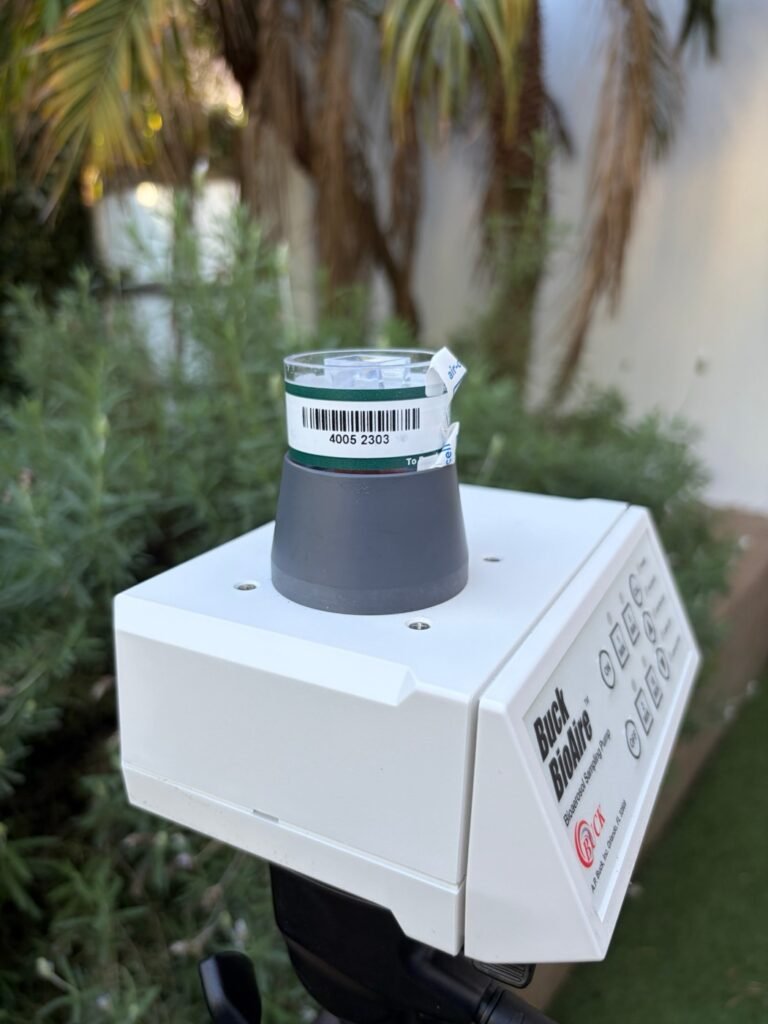
After remediation, we take air samples inside the home and an outdoor sample for comparison, and send every sample to an independent lab. Results come back within 24 to 48 hours. When the project calls for independent clearance testing, an independent inspector does it before the walls are closed.
Where we find mold
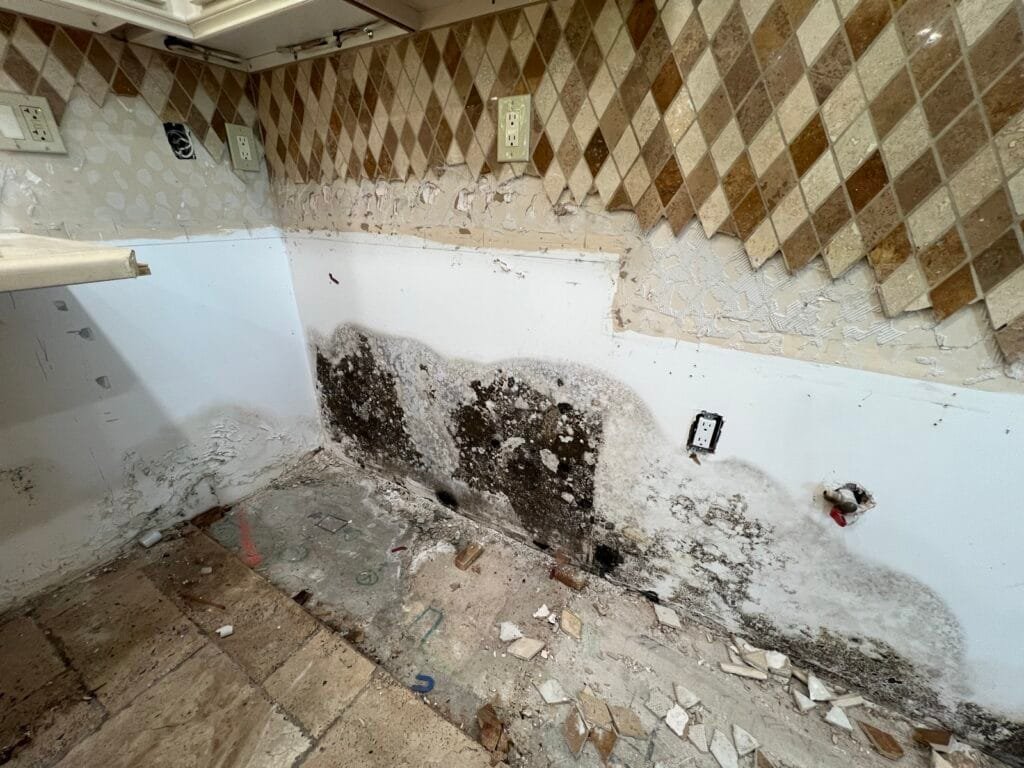
Behind kitchen cabinets
In Encino, new owners found moisture behind the kitchen wall. When the cabinets came off, there was a lot of mold behind them. Encino page
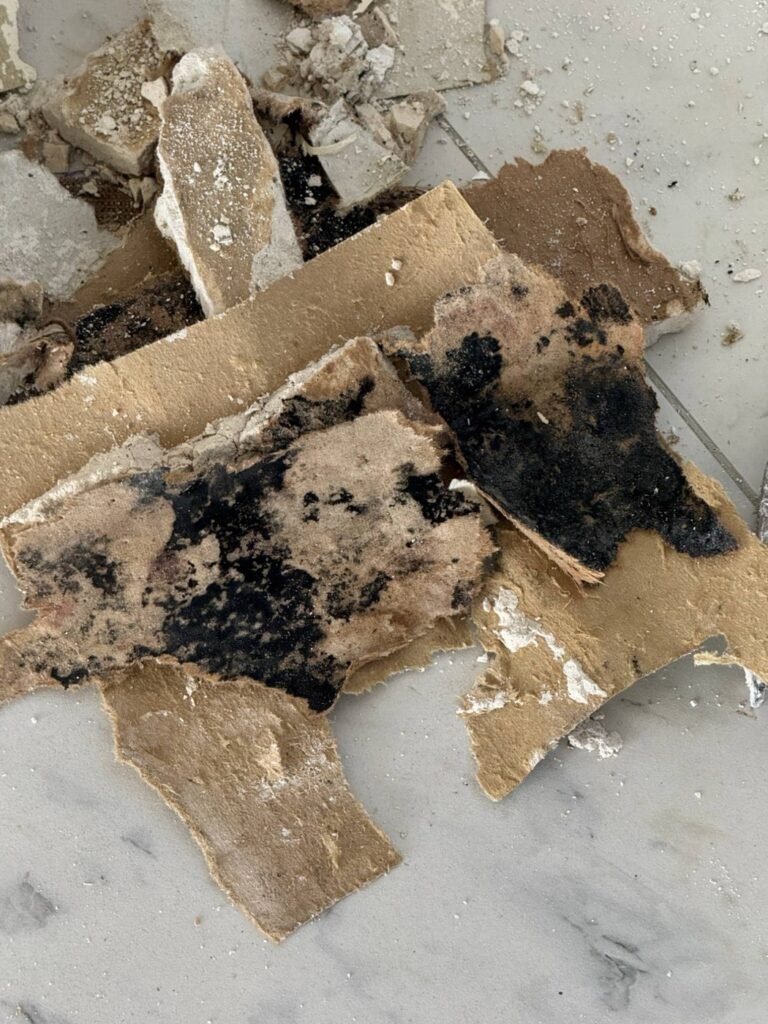
On the back of drywall after a leak
In Malibu, a jacuzzi drain on the second floor leaked into the first floor. The drywall looked fine from the room. The back of it didn't. Malibu page
At the bottom of kitchen cabinets
In Calabasas, a dishwasher supply line flooded the kitchen, and mold had already started at the cabinet toe-kick. Calabasas page
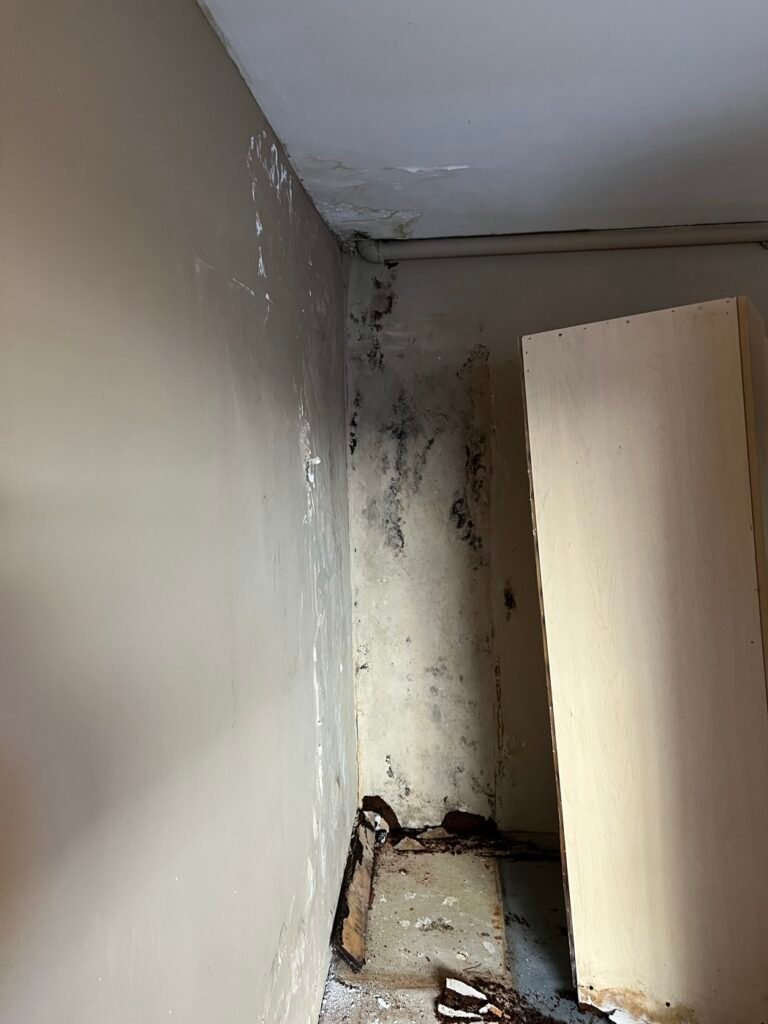
From a neighbor's leak
In Sherman Oaks, water from a neighbor's leak got into the wall, and mold grew in the corner of the room. The job was handled as a liability claim. Sherman Oaks page
Wood-destroying fungus
In Studio City, a bathroom investigation turned up Poria, a fungus that had gotten into the structural framing. The remediation took about two weeks and came to about $8,000.
We don't replace what can be saved
Not every material near mold has to come out. If something can be cleaned properly, we clean it. If I am not convinced a material needs to be replaced, I don't recommend replacing it. When it can't be saved, I explain why and document it.
— Igor, Owner
Mold FAQ
Can I clean mold myself?
A small spot on a hard surface, often yes. If it covers more than about 10 square feet, keeps coming back, follows a leak or flood, or is inside walls, call a professional. Disturbing it without containment can spread spores through the house.
Do I need to move out?
Usually not. The work area is sealed off with containment. For larger jobs, or if someone in the home has health concerns, it may be better to stay elsewhere for part of the work. We'll tell you after the inspection.
How long does it take?
It depends on how much material is affected. Small jobs can take a few days. Larger ones, like the Poria job above, can take a couple of weeks.
Does insurance cover mold?
It depends on your policy and on what caused the mold. Mold from a sudden leak is treated differently from long-term moisture. We document the source and the damage, and your insurer decides.
Is the inspection free?
Yes. The initial on-site inspection and assessment are free.
Areas we serve
Los Angeles · Encino · Sherman Oaks · Calabasas · Beverly Hills · Bel Air · Hollywood Hills · Malibu · Culver City · Santa Clarita