
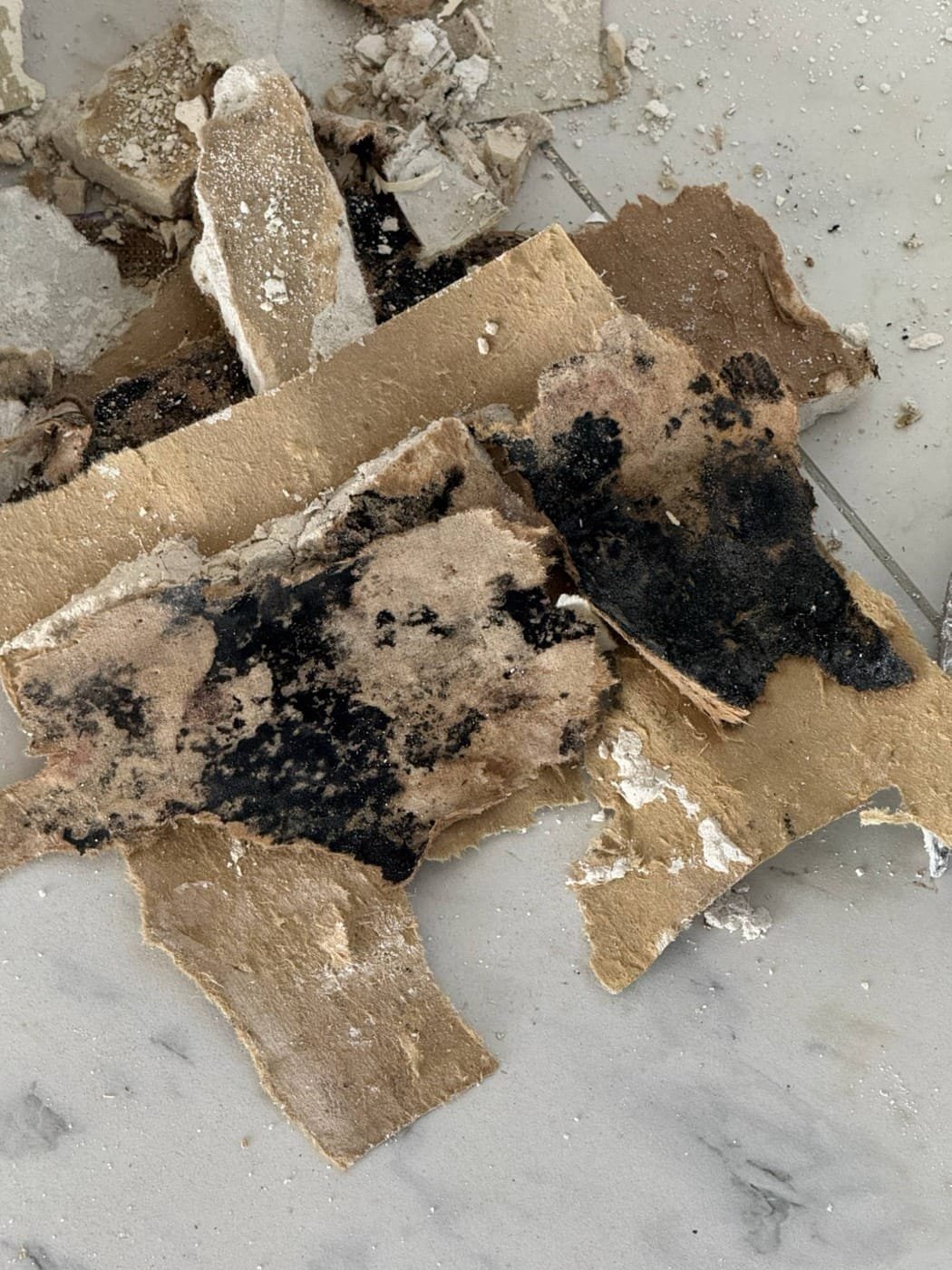
Many companies advertise “dry fog” as the future of mold remediation. It is fast, cheap and nothing gets torn out. The problem is simple: fogging does not remove the mold. The mold comes back because its source is still there.
I’m Igor, the owner of FastFix Restoration. We don’t sell fogging as a mold fix, and here is why.
What dry fogging does
A fogging machine fills the room with a very fine mist of a chemical, often an antimicrobial or a deodorizer. The mist floats in the air and settles on surfaces.
It can kill some mold on the surfaces it touches, and it can take away the musty smell for a while. The air may even test cleaner right after.
Why it doesn’t fix mold
- Mold grows inside materials, not only on top. In drywall, wood framing, insulation and the back side of cabinets. The mist does not get there.
- Dead mold is still a problem. Dead spores and mold fragments can still cause allergic reactions. They have to be removed, not just sprayed.
- The water source is still there. Mold grows because something is wet: a leak, a slab, a crawl space, condensation. If the moisture is not fixed, the mold grows back.
- There is no standard for it. The industry standard for mold remediation, IICRC S520, is based on physical removal of the mold, not on fogging it.
A true story
A woman called us after she had already paid for dry fogging. The fogging company told her it would remove the mold. A few days later the smell and the mold were back. We explained that fogging is not a mold removal method, and she had to start over and do it the right way. She paid twice.
What real mold remediation looks like
- Find and fix the moisture source. No mold job lasts if the leak is still there.
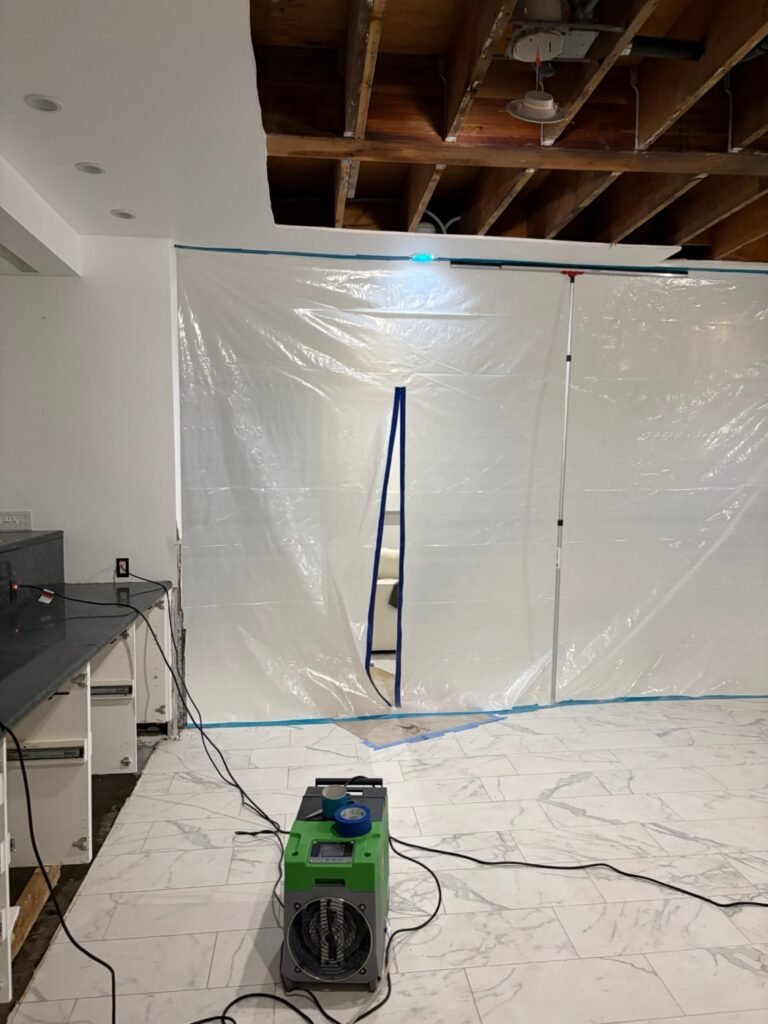
- Contain the area. Plastic walls and negative air pressure with HEPA air scrubbers, so spores don’t spread to the rest of the house.
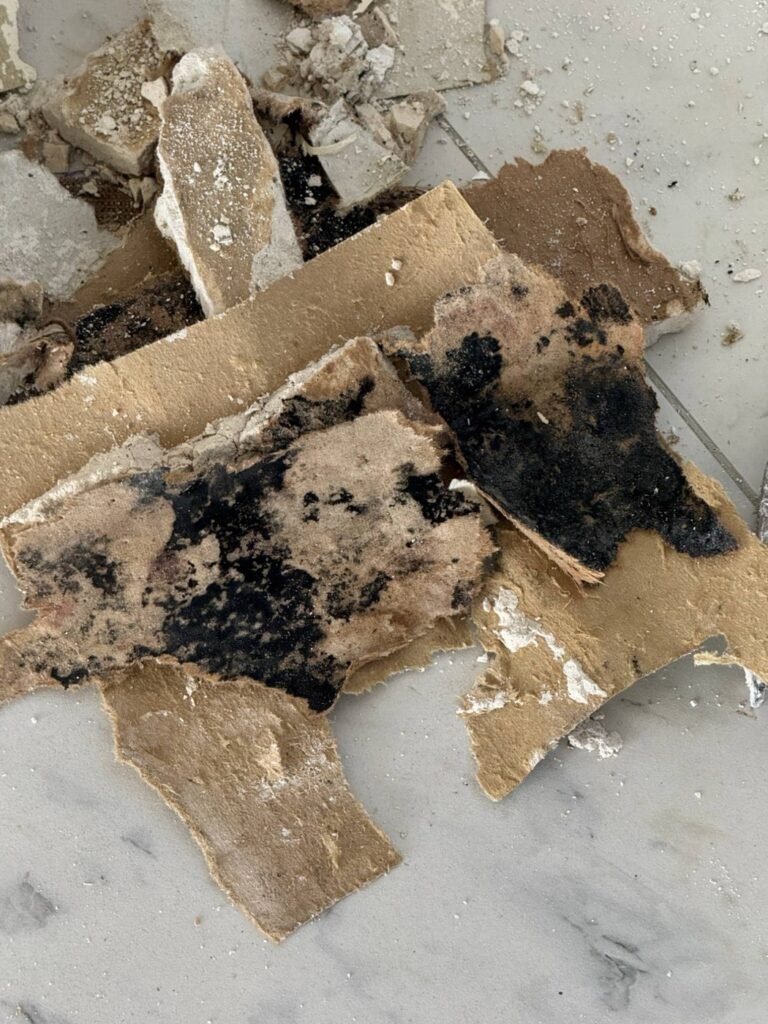
- Remove what can’t be cleaned. Moldy drywall, insulation and carpet come out under containment. The back of the drywall often shows mold that wasn’t visible from the room.
- Clean what can be saved. Framing and other hard materials are HEPA vacuumed and cleaned. We don’t replace what can be saved.
- Dry it. Materials have to be dry before anything is closed up.
- Verify. After remediation, air samples are taken inside and outside the home and sent to an independent lab. When the project calls for independent clearance testing, an independent inspector does it, not us.
Is fogging ever useful?
As an extra step for odor after the mold has been removed and the area cleaned, it can help. As the mold fix itself, no.
Questions to ask any mold company
- Where is the moisture coming from, and who fixes it?
- Will you set up containment and negative air?
- What will you remove, and what will you clean?
- Who does the clearance test, and is it independent?
If the answer to “how will you remove the mold” is “we fog the house”, get a second opinion.
We do mold inspections and mold remediation across Los Angeles: Beverly Hills, Bel Air, Santa Monica, Malibu, Pacific Palisades, Encino, Sherman Oaks, Calabasas and the San Fernando Valley. The inspection is free. Call 24/7: (818) 717-7431. More about our mold removal and remediation.
Igor, Owner, FastFix Restoration
IICRC Master Water and Mold Restorer · CSLB #1083206